

Horizon Scan phase 2: Key social science questions to advance polar forecast services
Help provide evidence-based recommendations for improving Arctic, Antarctic and Southern Ocean environmental prediction and weather services from both scientific and operational perspectives by taking our survey.
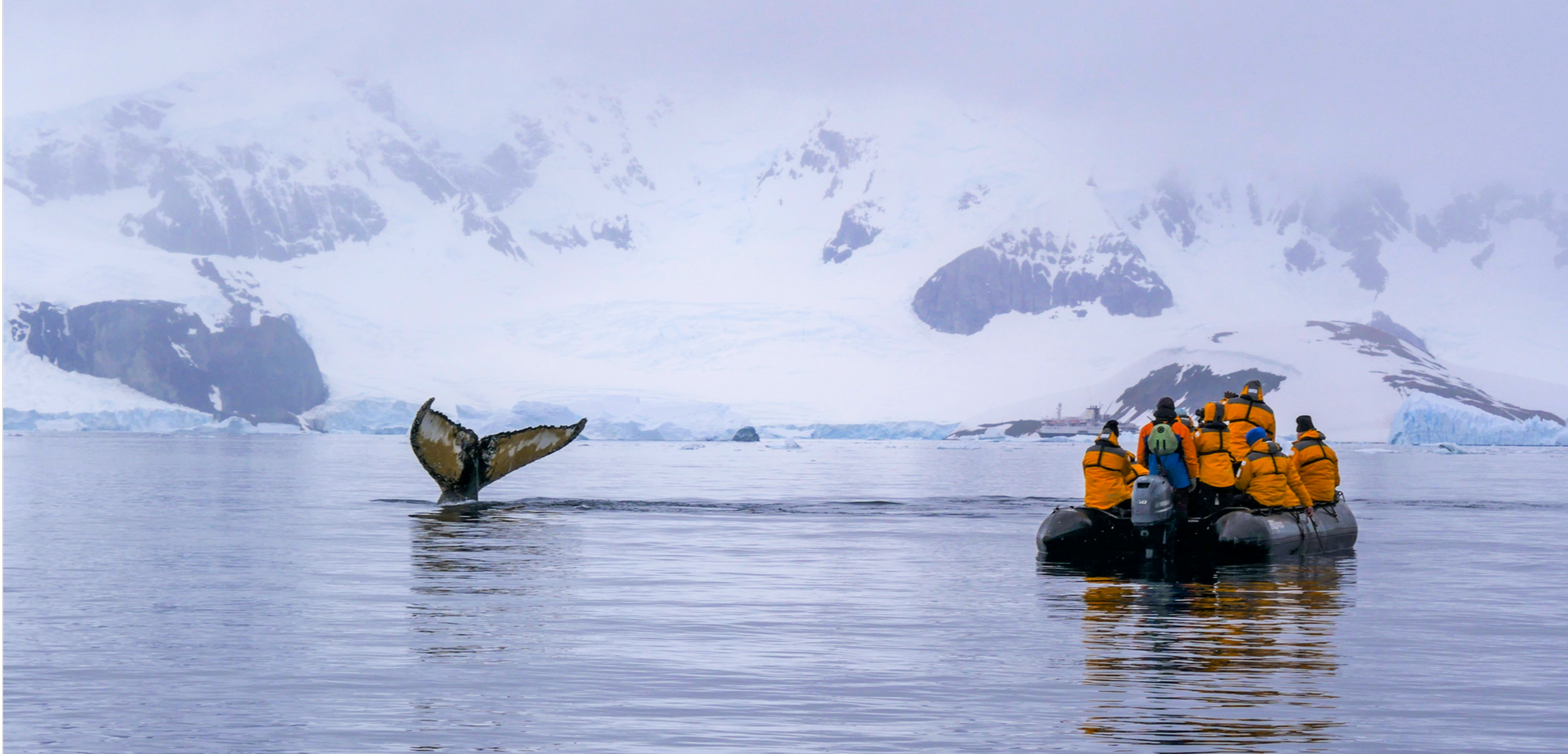
What questions about polar forecasting do we need to be asking today to plan for the life in the polar regions over the coming decade? To develop a research agenda and prioritise topics of interest, we need your input.
PCAPS is currently conducting a Horizon Scan to systematically identify and prioritise key scientific questions related to the relevance, actionability and impact of polar environmental forecasting services. This will support the goal of effectively bridging the gap between the forecast information that is available and its effective application by end users.
Phase 1 of the Horizon Scan identified key research themes and bottlenecks across the forecasting value cycle. The areas of governance, science communication, and Indigenous Knowledge were identified as priority topics. While improved forecasting services can lead to positive outcomes, such as for human safety, better decision-making, and resilience, responses indicated that improvements could also lead to negative outcomes, such as increased exploitation and greater access to the regions. We want to know more about the kind of future you would like to see, and why.
In Phase 2 of the Horizon Scan, we invite those living and working in the polar regions to share their perspectives. The 20-minute survey includes sections on the challenges and research needs for improving environmental forecasting services, ranking the questions proposed in Phase 1, and contributing details of any projects currently underway that relate to the priority areas.
The Horizon Scan is a project of the Services & Actionability Task Team, in collaboration with the Impact & Sustainability Task Team. Ultimately, it aims to produce a list of key questions to be included in an interdisciplinary, social and behavioural sciences and humanities research agenda for the next 10 years, which will improve understanding of, critically examine drivers and factors affecting, and enhance the actionability and impact of environmental forecast information services for the polar regions.