

Advancing Polar Forecasting: Highlights from the Third PCAPS Steering Group Meeting
The third annual meeting of the PCAPS Steering Group (SG) was hosted by the Norwegian Meteorological Institute at its headquarters in Oslo from 18 to 21 August 2026. The third annual PCAPS SG meeting marked an important milestone for PCAPS: PCAPS is approaching the project’s midpoint this year. The meeting highlighted significant achievements made by the PCAPS community thus far in advancing polar environmental forecasting collaboration.
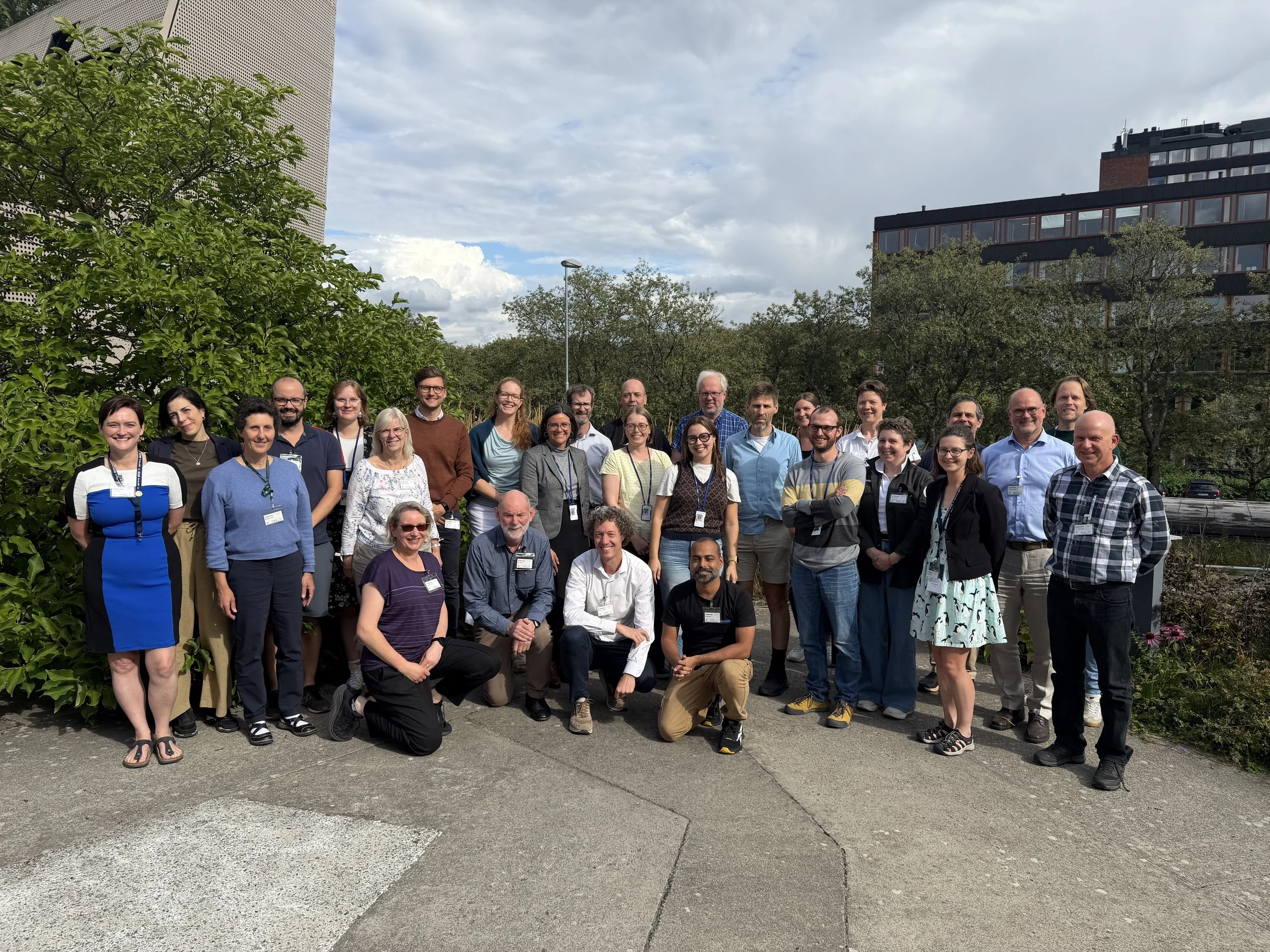
After the 2026 PCAPS Open Session participants. Photo credit: Tor Skaslien.
PCAPS Science Day: Showcasing Progress and Collaboration
The first day of the 2026 annual SG meeting was dedicated to a Science Day, which featured presentations of results from the PCAPS Task Teams and some of the WWRP-PCAPS Endorsed Projects. With both in-person and online participation, the discussions underlined the substantial progress achieved across various areas. Notably, the day highlighted the strong coordination and cooperation between the Task Teams, a key factor driving the project's success.
Open Session: Engaging Local Stakeholders
The second day of the meeting included the annual PCAPS Open Session, featuring keynote speakers from key stakeholder groups, including:
Karin Strand, Vice President Expedition Development, HX Expeditions
Jan René Larsen, Deputy Executive Secretary, Arctic Monitoring and Assessment Programme (AMAP)
Andreas Brachel, Global Claims Lead - Sustainability and CEP Claims, Gard AS
The keynote presentations, attended by a small online audience, set the stage for engaging breakout discussions on the use and value of data in the value chain cycle. These conversations provided valuable insights into the needs of the insurance, tourism, and Arctic local communities for data to support their operational decisions and planning.
Key Outcomes and Future Directions
As PCAPS approaches its midway point in 2026, the SG outlined several key themes and outcomes for the years to come:
PCAPS Contributions to IPY-5: Initial proposals were developed to contribute to the World Meteorological Organization’s input for the Fifth International Polar Year (IPY-5), informed by discussions at the SCAR Open Science Conference.
Task Team Progress: The 2026 Science Day provided an opportunity to observe progress across various Task Teams and Endorsed Projects.
Stakeholder Needs: The 2026 Open Session deepened the understanding of data requirements for stakeholders in insurance, tourism, and Arctic communities.
Leadership Changes: Clare Eayrs was recommended to replace Jørn Kristiansen as Interim Co-Chair of the PCAPS SG, following Jørn’s move to the European Centre for Medium-Range Weather Forecasts (ECMWF). Criteria were also developed for an Open Call to replace other departing SG members.
Guiding Activities: Proposed criteria were established to define activities and publications under the PCAPS umbrella.
Monitoring, Evaluation, and Learning (MEL): The updated MEL framework adopts a pragmatic and streamlined approach for the remaining years of the project.
AI and Data Utilization: Ideas were developed for guidelines on AI product use in polar regions, potential data types for AI models, and documentation of user-relevant thresholds for polar conditions.
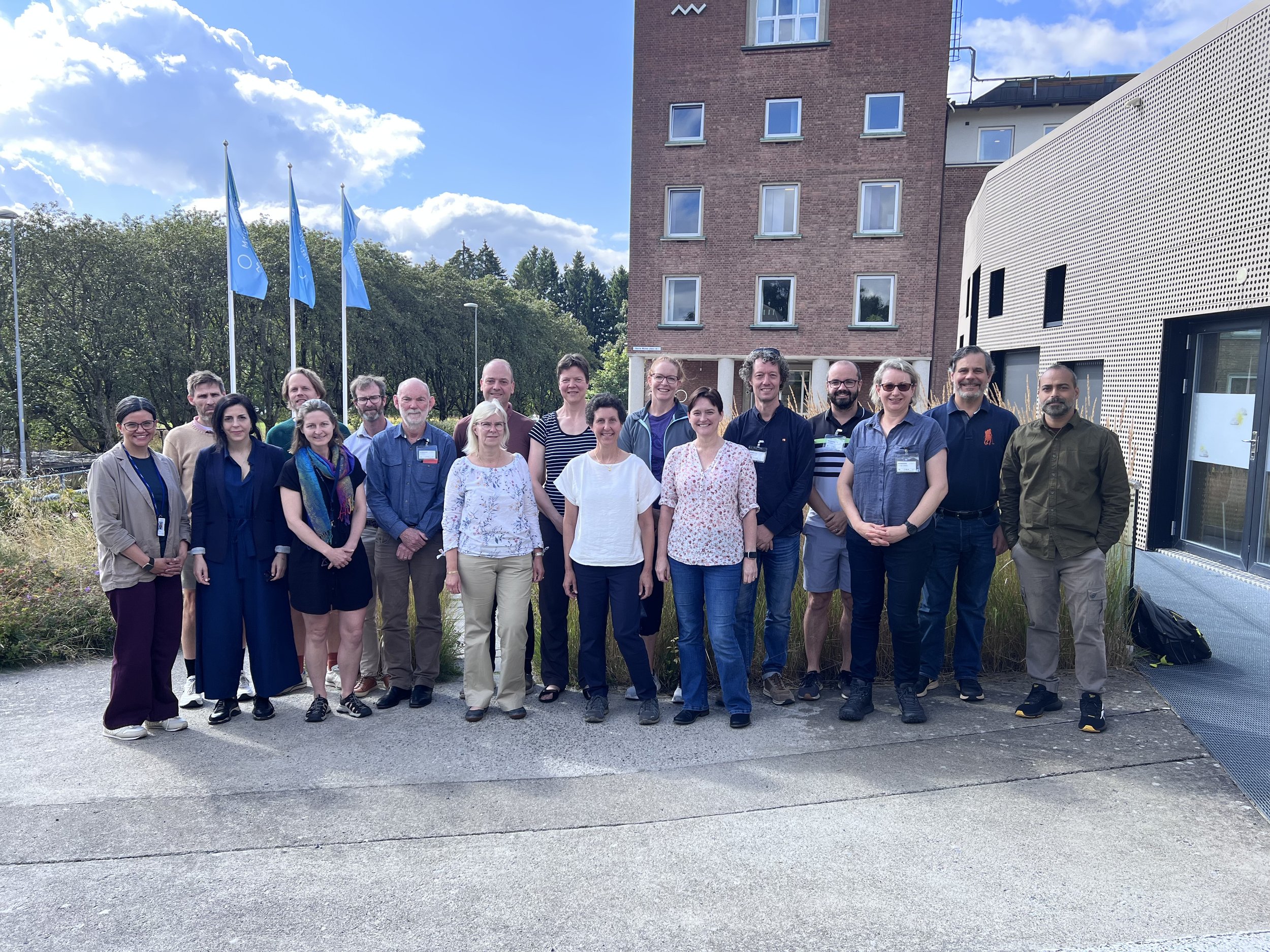
PCAPS SG, 21 August 2026, Norwegian Meteorological Institute, Oslo. Photo credit: Ophélia Miralles.
In sum, the meeting served as a testament to the collective efforts of the PCAPS community and its commitment to advancing polar environmental forecasting and services. With strong leadership, collaboration, and stakeholder engagement, PCAPS is well on track to achieving its ambitious goals.