

Maritimes Extremes in a Changing Arctic - Reflections from Arctic Frontiers 2026
The rapid environmental, geopolitical, and security changes in the Arctic have put the region at a critical crossroads, particularly in recent times. Arctic Frontiers is an annual conference in Tromsø, Norway that brings together scientists and researchers, as well as political and industry representatives, to discuss the pressing challenges and opportunities in the Arctic. This year, Dina Abdel-Fattah (PCAPS’ International Coordination Office Manager) in collaboration with Penelope Wagner (Head of the Operational Sea Ice Service, Norwegian Meteorological Institute), Irja Malmio (AI researcher at the Swedish Defence University), and Arild Bergh (Principal Scientist at the Norwegian Defence Research Establishment) co-chaired the Maritime Extremes: Communication, Uncertainty, and Emerging Technologies Science Session at Arctic Frontiers. The session provided an interdisciplinary perspective on how maritime hazards are changing across the Arctic, with an applied focus on how best to communicate and forecast these hazards amid competing priorities and an increasingly complex framework of actors, both within and outside the Arctic.
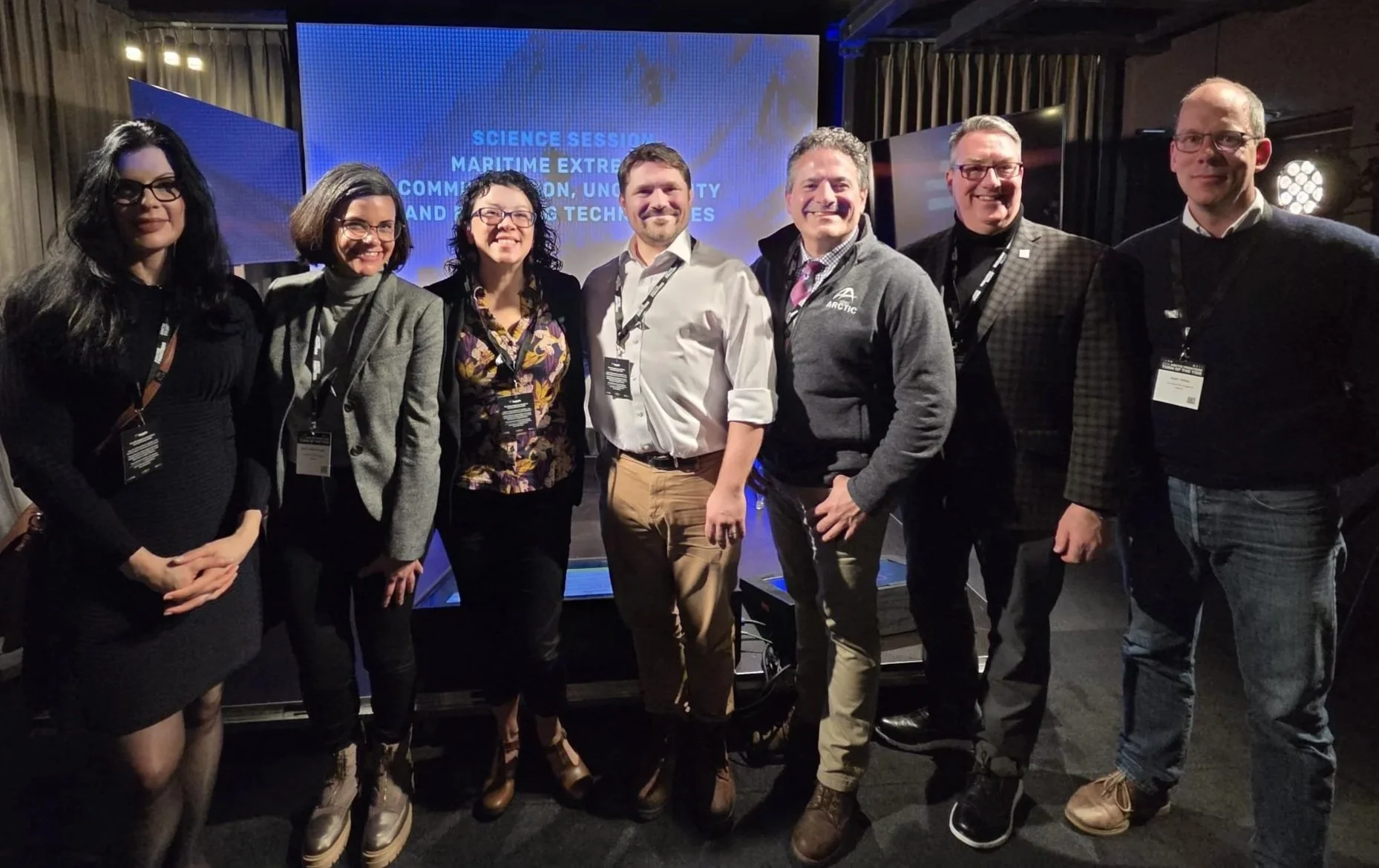
Co-chairs of the Maritime Extremes Arctic Frontiers 2026 Science Session with the presenters from the second sub-session focused on emerging technologies and user needs. From left to right: Irja Malmio (Swedish Defence University), Dina Abdel-Fattah (MET Norway), Penelope Wagner (MET Norway), Ed Blockley (UK MET Office), Jereme Altendorf (University of Alaska Anchorage), Benjamin Strong (Arctic Council), and Malte Müller (MET Norway). Photo courtesy of: Dina Abdel-Fattah
One of the recurring taglines from Arctic Frontiers came from Norway’s Minister of Foreign Affairs, Espen Barthe Eide, during Arctic Frontiers: “The Arctic is hot.” Minister Eide was not only referring to the well-documented impacts of climate change on rising mean annual temperatures in the Arctic, but also, to the recent catapulting of Arctic geopolitical discussions into the global international forum. This increased focus on the Arctic from multiple angles brings many previously theoretical discussions on extreme events in the Arctic - whether weather- or climate-related to compound events involving individual, national, and international safety and security - into real-time consideration. Our session on Maritime Extremes, therefore, aimed to scratch the surface of the many considerations that need to be taken into account to ensure a safe and resilient Arctic. The session covered topics ranging from those more geopolitical and security-related in nature, to how we can better forecast environmental patterns and processes - such as sea ice dynamics - to improve hazard prediction and prevention.
The first part of our session identified four critical areas where technology and policy intersect, which aligned with the theme of Arctic Frontiers this year, Turning the Tide, highlighting a critical shift in regional dynamics. As physical sea ice cover continues to diminish, the region's geopolitical and technological layers are becoming increasingly dense. The Arctic is no longer a remote frontier; it is a primary laboratory for the 21st century's most pressing challenges.
The Dual-Use Nature of AI
In maritime weather forecasting, AI offers unprecedented precision for navigating harsh environments. However, these systems are inherently "dual-use." Data and tools designed for environmental monitoring and vessel safety can be repurposed for strategic military advantage, which creates new cybersecurity vulnerabilities. This is something Irja Malmio from the Swedish Defence University discussed in her keynote, where she addressed the Arctic Paradox - the inherent tension between global sustainability goals and national security requirements. This dual edge is most visible in the race for resources. To fuel the global green transition (including AI infrastructure and electric vehicles), there is an increasing geopolitical competition for critical minerals. However, this creates a significant trade-off: strengthening global security through resource acquisition may inadvertently open a new arena of environmental and social threats, suggesting that security and sustainability must be addressed as a single, integrated priority.
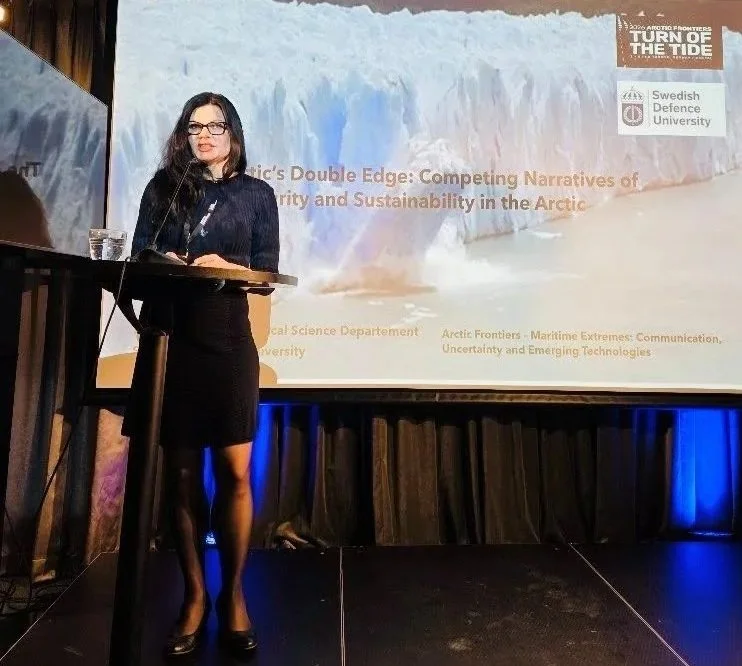
Irja delivering the keynote presentation in our first session. Photo courtesy of: Irja Malmio
The Information Frontier and Disinformation
Arctic governance is heavily influenced by external perceptions. As researcher Sebastian Kopf from the Norwegian Institute for Water Research noted, "The Arctic we see is the Arctic we fund." With 85% of people globally expressing concern over online disinformation, the risk of "fake news" regarding climate change or sea ice extent is high. When policy is made in distant capitals based on skewed narratives, funding is often diverted from local needs to securitized agendas.
Legal Implications of the Transpolar Sea Route (TSR)
The opening of the TSR presents a complex legal and diplomatic puzzle. Unlike coastal routes, the TSR passes through high seas, requiring updated international frameworks. Research by Alexandra Middleton, from the University of Oulu, and Michele Fiorini (presented by Alexandra Middleton) emphasizes that as China and Russia increase their investments, the region requires strict adherence to agreements such as the High Seas Treaty (BBNJ) to prevent unregulated strategic competition.
Electronic Warfare and GNSS Resilience
Safe navigation is increasingly threatened by GNSS (GPS) jamming and spoofing. In his presentation, Odd Sveinung Hareide, from the Norwegian Coastal Administration, highlighted a very modern danger: GNSS (GPS) jamming and spoofing. Trials conducted by the Norwegian Coastal Administration (2021–2025) demonstrate that standard maritime receivers are highly vulnerable to interference.
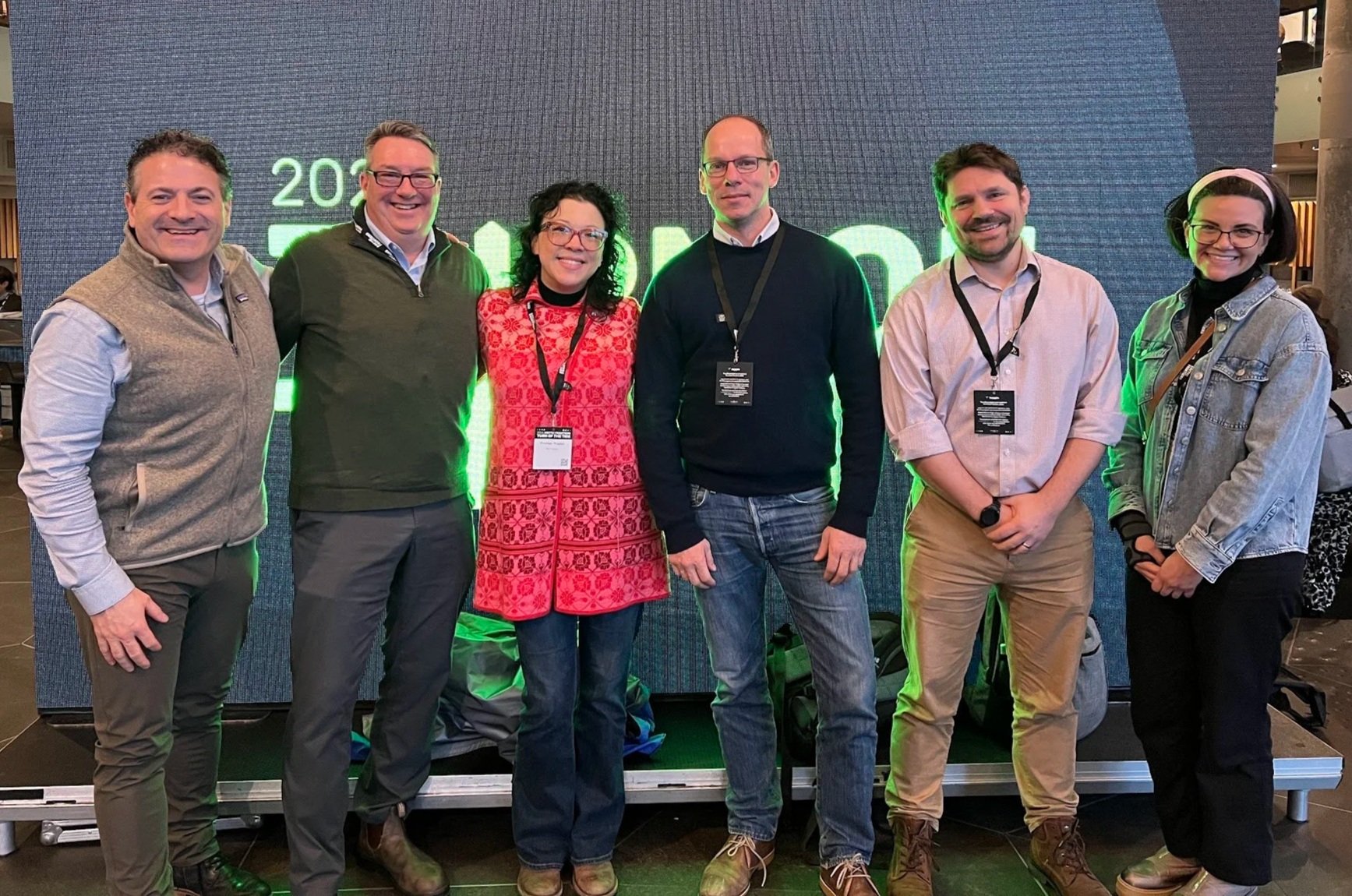
The second session included a panel discussion with (from left to right): Jereme Altendorf (University of Alaska Anchorage), Benjamin Strong (Arctic Council), Penelope Wagner (MET Norway), Malte Müller (MET Norway), Edward Blockley (UK MET Office). Dina Abdel-Fattah (MET Norway) moderated the panel. Photo courtesy of: Dina Abdel-Fattah
The second session included perspectives from both research and operators and explored how technological innovation, operational data and evolving risk assessments are reshaping maritime safety requirements. A consistent theme throughout the presentations emphasized the importance of capacity building and iterative feedback loops to effectively link stakeholders and information providers together.
Integrating Forecasting and Data for Arctic Maritime Safety
The keynote, presented by Malte Müller, Senior Researcher at the Norwegian Meteorological Institute, addressed the growing demand for enhanced forecasting and decision-support systems as Arctic shipping increases and winter operations expand. His work highlighted how integrating satellite and in-situ observations with machine learning approaches can improve tactical navigation and support safer operations in ice-encumbered waters. He presented a user-friendly sea ice forecasting system under development, that is designed for intuitive and onboard visualization, demonstrating the increasing focus on developing tools that support real-world decision making support.
Harnessing Innovation and Insight to Tackle Evolving Maritime Hazards
From an operator and policy perspective, Benjamin Strong, the chair of the Arctic Council Emergency Preparedness and Prevention Working Group, reflected on how decision-making in the Arctic maritime domain has evolved alongside advances in data and technology. Drawing on more than three decades of search and rescue experience, he emphasized that while today’s operators face an unprecedented influx of information, the central challenge remains identifying the right tool for the right application. Strong highlighted that trust in data is paramount particularly in high-risk environments where responders must act quickly and cannot afford to question the accuracy of the information before them. He called for researchers and commercial providers to engage directly with operators to better understand real-world needs, stressing that effective solutions are those shaped by field experience. Strong emphasized the responsibility of authoritative data providers to ensure quality and reliability, reinforcing that those who operate in the Arctic home depend on this level of diligence.
Decision-Making and Operationalizing Research for Arctic Response
Focusing on the science-to-operations interface, Jereme M. Altendorf, the Director for Arctic Programs and Strategy Implementation at the University of Alaska, presented how emerging technologies such as remote sensing platforms, uncrewed aerial vehicles, and integrated data visualization are transforming Arctic emergency preparedness, followed by practical examples from Alaskan communities. He emphasized how data is converted into real-world decision-making and stressed the requirement for iterative processes and resources towards capacity building in order for effective use of relevant data to act rapidly during maritime incidents. The key takeaway was that trusted information to support situational awareness depends on effective partnerships across agencies, researchers, and industry. In addition, there is a need to invest into filling the gap between research development and operations, with more attention to strengthening competence and building expertise between the two groups.
Increase in shipping driven by Arctic sea ice decline and how we are visualizing risk
Ed Blockley, the lead of the Polar Climate Group at the UK MET Office Hadley Centre, presented a systematic assessment of navigational risk across the global Arctic, from the Arctic Passion EU Horizon Europe project that showed how the increase of shipping activity in ice-infested waters has expanded between 2015 and 2021. Though overall exposure to hazardous ice conditions has declined, this trend suggests a shift toward safer routing and improved operational practices. Nonetheless, continued environmental change demands ongoing evaluation to ensure that safety gains keep pace with growing traffic.
In sum, the Arctic is indeed hot, on multiple different scales and levels.
But by fostering collaboration across not only disciplines but also sectors, we can ensure that this important region of the world remains on a path with resilience and sustainability at the forefront.